From 2011 to 2016 I was on FOX Business, CNBC, CNN and Fox 5 New York almost weekly as the CEO of Silverback Social, and the question was always some version of: is this thing real? Facebook at IPO. Twitter every earnings. Pinterest, Snapchat, Vine, Tinder, Meerkat, Whisper, Banjo, Tumblr. I got most of them right, a few wrong, and the pattern behind the right calls is what I now use when a client asks me whether to bet on an AI vendor.
The Facebook IPO and the Zuckerberg debates
Facebook went public at $38, fell to $18, and a lot of smart people on these panels said the model was broken. I said mobile advertising would fix it. It did. The lesson for AI: judge the company on whether it owns the customer relationship, not on the first two quarters.

The Facebook IPO
On Varney & Co. during the Facebook IPO. The debate was whether a company could be worth $100 billion on ad revenue alone. It could.

Facebook's plummeting stock, with Charles Payne
With Charles Payne, Ed Butowsky and Monica Crowley as Facebook traded well below its IPO price. I argued the mobile ad business would fix it. It did, faster than anyone on the panel expected.

Facebook's mystery event has investors biting
The week Facebook teased a 'mystery' product launch (it turned out to be Graph Search). A good case study in how much a platform's announcement can move a stock before anyone knows what it is.

Facebook's shareholder meeting
On CNBC's Closing Bell with Dynalink CEO Larry Fishelson, covering Facebook's first shareholder meeting and the question of whether Zuckerberg's control structure was a feature or a bug.

Is Zuckerberg in over his hoodie? Debate with CNET's Ben Parr
A debate with CNET's Ben Parr over whether Mark Zuckerberg should remain CEO of Facebook. I took the contrarian side for the segment, and the market answered the question for us.

Mark Zuckerberg should step down as CEO of Facebook
The full version of the Zuckerberg debate.
Twitter: right about the product, wrong about the timing
I was bullish on Twitter's ad product and right that its problem was user growth. I underestimated how long a company could coast on engagement without growth. AI lesson: a great product with a flat user base is a feature waiting to be acquired, not a platform.

The Twitter IPO and how media has changed
Twitter's IPO day on Varney & Co. My angle: Twitter was a media company that had not yet figured out it was a media company.

Twitter's first earnings since the IPO
On Closing Bell for Twitter's first earnings report as a public company. User growth was the problem then, and it remained the problem for a decade.

Twitter's earnings, part two
The second Closing Bell hit on Twitter's earnings.
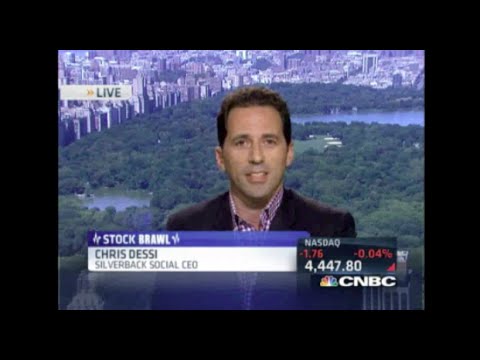
Bullish on Twitter
With David Seaburg on Closing Bell. I was bullish on Twitter's ad product that quarter and said so.

Twitter trouble: first-quarter growth disappoints Wall Street
On CNN when Twitter's first-quarter user growth missed. The pattern I described that day, engagement without growth, is now the pattern for most social platforms.

Twitter user growth disappoints
A year later, the same story. I said Twitter's problem was product, not marketing.
Real deal or fad: Pinterest, Snapchat, Vine, Tinder, Meerkat, Whisper, Banjo
Pinterest was built on intent, so I called it real; it is. Vine was a format, not a company; the format won and the company died. Meerkat was first to live streaming and lost to the platforms that owned distribution. Every one of these calls came down to the same two questions I ask of AI tools now: intent or conversation, and owned or rented distribution.

Pinterest: real deal or fad?
Pinterest had just become the fastest site to ten million users. I called it the real deal because it was built on intent, not conversation. Intent is what advertisers pay for.

Snapchat, explained
Explaining disappearing messages to a morning-news audience in 2013. The question every parent asked: do the photos really disappear? My answer: assume nothing on the internet disappears.

Vine: the six-second video app (January 29, 2013)
Vine launched and I explained why six seconds was a feature, not a limit. Vine died; the format became TikTok.

Tinder, with Rosanna Scotto and Greg Kelly
Explaining swipe-right to Good Day New York in 2013. The mechanic that Tinder popularized now runs half the consumer internet.

What happens when live television and Meerkat collide?
With Steve Lacy and Dari Alexander on Meerkat, the first mainstream live-streaming app. I said live video from a phone would change news and brand marketing. Periscope, Facebook Live and TikTok Live followed.

What is Meerkat streaming?
A short explainer on Meerkat and what live streaming from a phone would mean.
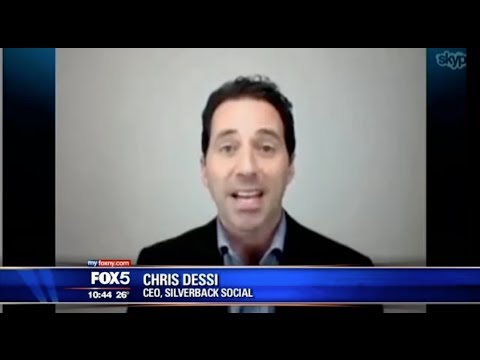
Whisper: the anonymous secrets app
Whisper let people post secrets anonymously. I urged viewers to assume every 'anonymous' post would exist forever and could be tied back to them. That advice aged well.

Banjo: the app that maps social posts in real time
Banjo pulled public social posts onto a map in real time. I called it a game changer for newsrooms and first responders. It later became a controversial surveillance tool, which is a lesson in its own right.

Cinemagraphs: the new visual effect advertisers love
Cinemagraphs, the still photos with one moving element, were catching on with digital advertisers. A reminder that formats come and go and attention is the only constant.
Acquisitions and platform bets: Tumblr, Lynda, Google+, Facebook's redesigns
Yahoo bought Tumblr for $1.1 billion and I said the risk was cultural; it was written down within three years. LinkedIn bought Lynda and it became LinkedIn Learning; that one worked because it deepened an existing habit. Google+ lost to Facebook because distribution beats features. Watch the AI market with that in mind: the model matters less than who already has the users.

Yahoo buys Tumblr for $1.1 billion (May 21, 2013)
On the morning of the Yahoo-Tumblr deal. I said the risk was cultural, not financial: Yahoo would not know what to do with it. Yahoo wrote most of the purchase down within three years.

LinkedIn buys Lynda.com; the Anne Frank Trust on social media
Two stories: LinkedIn's $1.5 billion purchase of Lynda.com, which became LinkedIn Learning, and how the Anne Frank Trust was using social media for education.

Google Plus vs. Facebook: who's winning?
Google+ had just launched. I said Facebook would win because the network was already where your friends were. Distribution beats features, and it still does.

Facebook Timeline explained
Facebook rolled out Timeline and viewers wanted to know what to do with it. This is what a weekly technology-explainer segment looked like in 2011.

The new Facebook layout, with Ernie Anastos
Walking Ernie Anastos through a Facebook redesign. Every platform redesign is the same story: users complain for a week, then engagement goes up.

Facebook unveils changes to its news feed
Facebook's news feed redesign, and why the change was really about making room for bigger ads.

Facebook's new feature: embedding posts
Facebook let publishers embed posts on their own sites, matching Twitter. A small feature with a big signal: the platforms were competing for the open web.

Facebook hits one billion users, charging users, and the KitchenAid tweet
Three stories in one segment: Facebook crossing a billion users, the rumor it would charge for accounts, and a brand's disastrous tweet.
How media itself changed: second screens, binge watching, the millennial bar
On FOX Business I argued the second screen was already the first screen for advertisers, and that streaming would take entertainment but not live news. Both held. The clip on why technology no longer impressed millennials is, in hindsight, the problem every AI product faces: the bar for 'new' moved permanently.

The second-screen experience
Most people were already watching TV with a phone in hand. I explained how brands were starting to buy the second screen, which became the playbook for every live-event campaign since.

Binge is the new black: will streaming replace television?
With Melissa Francis on whether Netflix-style binge watching would replace broadcast television. I said yes for entertainment and no for news and live events. That is roughly where it landed.

Why technology no longer impresses millennials
A generation raised on smartphones was hard to impress. I said the bar for 'new' had moved permanently, which is exactly the problem every AI product faces today.
Frequently asked questions
- What is Chris Dessi's four-question test for a new technology?
Is it built on intent or on conversation? Does it own distribution or rent it? Would the business survive its biggest partner changing the rules? Is the founder solving a problem or chasing a valuation? He developed it across fifteen years of on-air platform calls and applies it to AI vendors at Torque AI.
- Which platform predictions did Chris Dessi get right?
That Facebook's mobile ad business would rescue its post-IPO stock; that Pinterest was real because it was built on intent; that Yahoo would fail to integrate Tumblr; that live streaming from phones would change news and marketing; that streaming would take entertainment but not live news.
- Which predictions did he get wrong?
He underestimated how long Twitter could coast on engagement without user growth, and he was early on Meerkat, which lost to platforms that already owned distribution. He says the misses taught him more than the hits.
- How does this apply to choosing AI vendors?
Judge the vendor on whether it owns the customer relationship and the data, not on a demo. Prefer tools that deepen a habit your team already has. Assume any vendor that rents its distribution from a large platform can be cut off, and keep your own data exportable.
- Where can I watch all of Chris Dessi's TV appearances?
The full archive of more than 110 clips, organized by network, is at christopherdessi.com/blog/chris-dessi-tv-appearances-archive/.
Choosing AI vendors this quarter?
The AI Clarity Sprint (three weeks) audits your stack, prices the risks, and hands you three deployment recommendations with ROI models.